
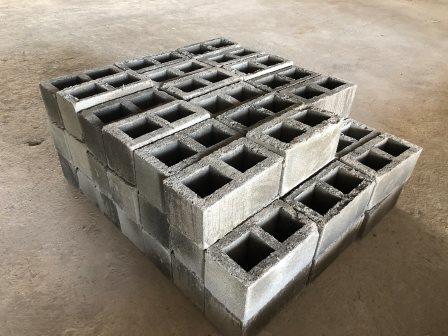
Concrete remains one of the most important materials used for modern structures. From foundations and buildings to roads, bridges, and masonry systems, Concrete provides the strength required to support different types of projects. However, the quality of Concrete must be verified before it becomes part of a permanent structure.
A strong-looking Concrete surface does not always guarantee reliable performance. Proper Concrete testing helps engineers, contractors, and developers confirm whether materials meet required strength specifications and safety expectations.
Inch-On Materials Testing Laboratory provides professional Concrete testing services designed to evaluate material performance through recognized ASTM procedures. As a DPWH-BRS accredited Engineering and Construction Laboratory, Inch-On supports construction projects through dependable testing solutions for Concrete, soil, and foundation materials.
Understanding Concrete and Its Role in Construction Projects
Concrete is a composite material made from cement, aggregates, water, and other approved additives. The combination of these components affects Concrete strength, durability, and overall performance.
Every construction project depends on Concrete quality. A building foundation requires Concrete that can handle heavy loads. Roads require Concrete that can resist repeated pressure from vehicles. Masonry systems require Concrete Hollow Blocks (CHB) with reliable strength and consistency.
Proper Concrete evaluation allows project teams to confirm that materials meet design requirements before major construction stages continue.
Why Concrete Strength Matters
Concrete strength directly affects structural safety and service life. Weak Concrete may lead to cracks, reduced load capacity, and costly repairs. Testing helps identify possible concerns before they affect a completed project.
Concrete testing provides valuable information about:
- Compressive strength performance
- Material consistency
- Load-bearing capacity
- Structural reliability
- Compliance with project specifications
Through professional Concrete testing, engineers can make better decisions regarding construction progress and material acceptance.
What Is Concrete Testing?
Concrete testing is a process used to measure the physical properties and strength characteristics of Concrete materials. Testing procedures help determine whether Concrete meets required standards for a specific project.
Concrete testing involves collecting samples, preparing specimens, performing laboratory evaluations, and reviewing technical results. Each step plays an important role when checking Concrete quality.
A reliable Concrete testing process helps identify:
- Low-strength Concrete batches
- Material inconsistencies
- Possible quality concerns
- Strength development issues
Testing also provides documentation that engineers and project inspectors can use during construction evaluation.
Types of Concrete Testing Services
Different Concrete testing methods are available depending on project requirements. Each method measures specific Concrete properties that affect structural performance.
Concrete Compressive Strength Testing
Concrete compressive strength testing is one of the most common methods used for evaluating Concrete performance. This procedure measures how much pressure Concrete can withstand before failure.
ASTM C39 provides guidelines for Concrete compression testing using prepared specimens. The results help determine whether Concrete reaches the required strength level specified by engineers and project plans.
Concrete compression testing helps project teams:
- Verify Concrete strength
- Evaluate material performance
- Confirm quality requirements
- Identify weak Concrete batches
Accurate Concrete compression results provide important information before structural elements receive major loads.
Concrete Flexural Strength Testing
Concrete flexural strength testing evaluates Concrete resistance against bending forces. This type of Concrete testing is commonly used for pavements, slabs, and other structures exposed to bending stress.
ASTM C78 provides procedures for evaluating Concrete beam strength. The test helps engineers understand how Concrete performs when subjected to bending conditions.
Flexural strength testing supports projects that require additional information about Concrete durability and performance under different forces.
Concrete Hollow Block Testing
Concrete Hollow Block (CHB) testing plays an important role for masonry construction. CHB units form walls and partitions, making their quality essential for building safety.
Concrete Hollow Block testing evaluates whether masonry units meet required strength and dimensional specifications. ASTM C140 provides testing guidelines for Concrete masonry units.
CHB testing helps assess:
- Compression strength
- Unit quality
- Material consistency
- Product suitability for construction use
Reliable Concrete Hollow Block testing helps prevent issues caused by weak masonry materials.
ASTM Standards Used for Concrete Testing
Professional Concrete testing requires recognized procedures to produce dependable results. Inch-On Materials Testing Laboratory follows ASTM and AASHTO standards when conducting Concrete and construction material evaluations.
ASTM C39 Concrete Compression Testing
ASTM C39 establishes procedures for measuring Concrete compressive strength. This standard helps laboratories perform consistent testing through proper specimen preparation, equipment operation, and evaluation methods.
Concrete compression results provide essential data for engineers who need to confirm whether materials meet project requirements.
ASTM C78 Concrete Flexural Strength Testing
ASTM C78 provides guidelines for testing Concrete beam specimens. This procedure evaluates Concrete performance against bending forces.
Flexural strength information helps engineers assess Concrete suitability for applications where bending resistance is important.
ASTM C140 Concrete Masonry Testing
ASTM C140 covers testing procedures for Concrete masonry units. This standard helps evaluate CHB quality through proper testing methods.
Concrete Hollow Block testing following ASTM C140 provides valuable information regarding unit strength and reliability.
Why Choose a DPWH-BRS Accredited Concrete Testing Laboratory?
Selecting a qualified Concrete testing laboratory is important for obtaining dependable results. Accreditation demonstrates that a laboratory follows recognized procedures and maintains proper testing practices.
Inch-On Materials Testing Laboratory is a DPWH-BRS accredited Engineering and Construction Laboratory established during November 2018. The laboratory provides independent testing services for Concrete, soil, and foundation materials.
The team conducts laboratory and field testing using specialized equipment designed for construction evaluation.
Reliable Concrete Testing Results
Professional Concrete testing requires precision, proper equipment maintenance, and experienced personnel. Inch-On maintains testing procedures that help provide dependable technical results.
Accurate Concrete test results assist:
- Structural engineers
- Contractors
- Developers
- Building inspectors
- Construction managers
Reliable Concrete information allows project teams to evaluate materials with greater confidence.
Concrete Testing for Quality Control
Concrete quality control helps construction teams detect possible problems before they become major concerns.
Through Concrete testing, project teams can identify:
- Concrete batches below required strength
- Material inconsistencies
- Potential construction risks
Early Concrete evaluation may help reduce repair expenses and avoid delays caused by material problems.
Field and Laboratory Concrete Testing Services
Inch-On Materials Testing Laboratory provides both field and laboratory testing services for construction projects.
Field Concrete Testing Services
Field testing involves evaluating materials directly at project locations. Concrete field testing helps assess actual site conditions and material performance.
Field services may include:
- Concrete evaluation
- Soil assessment
- Foundation pile testing
- On-site material verification
These services provide project teams with information about actual construction conditions.
Laboratory Concrete Testing Services
Laboratory Concrete testing provides controlled evaluation using specialized equipment. Samples undergo careful preparation and testing procedures to generate reliable results.
Laboratory services help evaluate:
- Concrete strength
- Construction material quality
- Sample performance
- Compliance with project requirements
The Concrete Testing Process at Inch-On Materials Testing Laboratory
A professional Concrete testing process involves several important stages.
Sample Collection and Preparation
Concrete samples must represent actual project materials. Proper collection and preparation help produce reliable test results.
Careful specimen handling supports accurate Concrete evaluation.
Laboratory Evaluation
During laboratory testing, Concrete specimens undergo procedures based on ASTM standards. Equipment calibration and proper testing methods help maintain result accuracy.
Technical Reporting
After Concrete testing is completed, results are organized into technical reports. These reports provide essential data for engineers, contractors, and inspectors.
Concrete reports may include:
- Test results
- Strength measurements
- Evaluation details
- Technical observations
Benefits of Professional Concrete Testing
Professional Concrete testing offers many advantages for construction projects.
Better Structural Reliability
Concrete testing confirms whether materials meet expected strength requirements. Verified Concrete quality supports safer and more dependable structures.
Reduced Repair Costs
Identifying Concrete concerns early may help prevent expensive repairs and reconstruction work.
Improved Project Documentation
Concrete testing reports provide records that support project evaluation, approvals, and construction monitoring.
Why Partner with Inch-On Materials Testing Laboratory for Concrete Testing?
Inch-On Materials Testing Laboratory provides dependable Concrete testing solutions for construction projects throughout the Philippines.
The laboratory offers:
- DPWH-BRS accreditation
- ASTM and AASHTO testing procedures
- Field and laboratory testing services
- Specialized testing equipment
- Technical reporting support
With experience handling Concrete, soil, and foundation evaluations, Inch-On helps project teams verify material quality through professional testing services.
Quality Concrete Testing Supports Strong Structures
Concrete quality plays a major role in the safety, durability, and performance of construction projects. Proper Concrete testing provides essential information about material strength and reliability.
From Concrete compression testing to Concrete Hollow Block testing, professional evaluation helps engineers and contractors confirm that materials meet required standards.
Inch-On Materials Testing Laboratory provides trusted Concrete testing services supported by DPWH-BRS accreditation, ASTM procedures, specialized equipment, and experienced professionals. Through accurate Concrete evaluation, construction teams can build with greater confidence and improved project quality.
Frequently Asked Questions About Concrete Testing
What is Concrete testing?
Concrete testing is a process used to measure Concrete strength, quality, and performance through approved testing procedures.
Why is Concrete strength testing important?
Concrete strength testing helps confirm whether Concrete materials meet project requirements and can safely support expected loads.
What ASTM standards are used for Concrete testing?
Common ASTM standards include ASTM C39 for Concrete compression testing, ASTM C78 for flexural strength testing, and ASTM C140 for Concrete masonry unit testing.
How does Concrete testing help construction projects?
Concrete testing helps identify material concerns, verify strength, and provide technical information needed for construction decisions.
Can Concrete testing be performed at a project site?
Yes. Inch-On Materials Testing Laboratory provides field testing services for Concrete, soil, and foundation evaluation.
Why choose a DPWH-BRS accredited Concrete testing laboratory?
A DPWH-BRS accredited Concrete testing laboratory follows recognized procedures and provides reliable testing documentation for construction projects.