Work performed above ground level carries serious risks across construction sites, factories, warehouses, transport facilities, commercial properties, and maintenance areas. Workers may need to move along rooftops, service large vehicles, inspect machinery, clean elevated surfaces, or complete repairs above open work zones. A dependable Overhead Lifeline in Myanmar helps crews stay connected to a fall protection system while moving across designated areas.
GROXX GEARS supplies heavy-duty safety equipment designed for demanding work environments. Its product range supports contractors, facility managers, safety officers, and business owners seeking dependable protection for elevated tasks. An Overhead Lifeline in Myanmar can become a key part of a complete fall arrest plan when designed around site conditions, worker movement, structural capacity, and available fall clearance.
Each worksite presents different risks. Ceiling height, travel distance, obstacles, worker count, mounting surfaces, and task requirements can affect system selection. Proper planning helps create a setup that allows movement without compromising protection. GROXX GEARS supports project requirements through durable equipment, precise manufacturing, and practical fall protection solutions.
What Is an Overhead Lifeline System?
An overhead lifeline is a fall protection system positioned above a worker’s head. It usually consists of structural anchors, a horizontal cable or rigid rail, a moving trolley or shuttle, a self-retracting lifeline, connectors, and a full-body harness. These components work together to keep the user attached while allowing controlled movement across a work area.
An Overhead Lifeline in Myanmar may serve as a fall restraint system or fall arrest system, depending on its design. A restraint arrangement helps prevent a worker from reaching an exposed edge. A fall arrest arrangement stops a fall after it occurs and reduces the chance of contact with a lower surface.
Overhead placement offers a major safety advantage because the connection point stays above the worker. This position can help reduce free-fall distance, limit excessive line movement, and lower swing-fall exposure when the system is correctly planned. Workers can also move more freely compared with setups that require repeated connection changes.
System performance depends on every component working as one complete arrangement. Harnesses, retractable devices, trolleys, anchor points, rails, cables, and connectors must be compatible. A qualified site assessment should guide equipment choice and placement.
Why Businesses Need an Overhead Lifeline in Myanmar
Myanmar has construction projects, logistics centers, production plants, warehouses, commercial properties, and industrial facilities where employees regularly perform elevated work. Roof repairs, vehicle servicing, equipment inspection, facade care, crane access, and machinery maintenance can place workers near open edges or above lower levels.
An Overhead Lifeline in Myanmar gives workers a secure connection path across these areas. The system may reduce the need to disconnect from one anchor and reconnect to another. Fewer connection changes can support better protection because workers remain attached throughout more of the task.
Regular elevated work also creates operational concerns. A basic temporary setup may slow daily activity or limit access to certain sections. A permanent or planned overhead system supports repeated tasks while helping teams follow established safety procedures.
Businesses also benefit from equipment suited to actual working conditions. Dust, moisture, heat, outdoor exposure, chemicals, and repeated loading may affect product life. GROXX GEARS focuses on high-strength materials and advanced manufacturing methods suited to demanding industrial use.
Main Components of an Overhead Lifeline in Myanmar
A complete system requires several carefully selected parts. Each component has a specific role, and system strength depends on correct compatibility.
Structural Anchor Points
Anchor points secure the lifeline to beams, columns, roof structures, frames, or other approved supports. Structural capacity must be reviewed before installation. A mounting surface that appears strong may not automatically support fall arrest loads.
Horizontal Cable or Rigid Rail
A cable system uses tensioned wire rope between approved anchors. It may suit long straight work areas or locations requiring broad travel coverage. A rigid rail system uses a fixed track that guides a trolley along a set path. Rail systems may offer controlled movement and reduced deflection under certain conditions.
Mobile Trolley or Shuttle
The trolley travels along the cable or rail as the worker moves. A properly functioning trolley should move smoothly without frequent manual adjustment. This feature supports continuous attachment across the approved travel path.
Self-Retracting Lifeline
A self-retracting lifeline extends and retracts as the worker changes position. It helps manage line length and may lock quickly during sudden movement. Device selection should match mounting orientation, fall clearance, system type, and working conditions.
Full-Body Harness
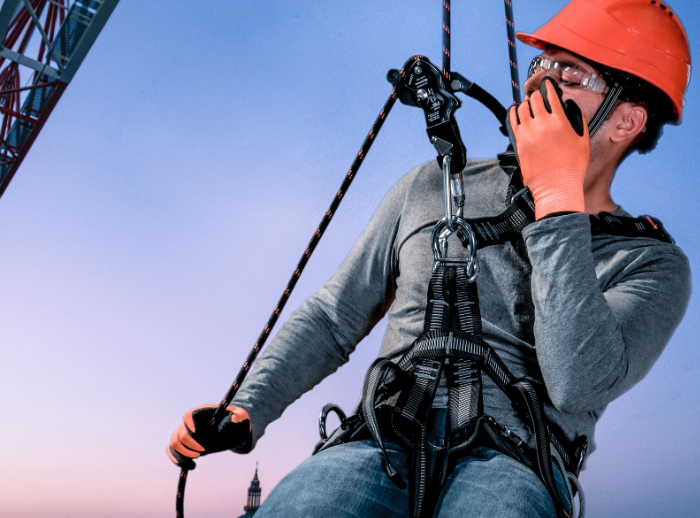
A full-body harness distributes arrest forces across suitable areas of the body. Correct fit is essential. Loose straps, twisted webbing, damaged stitching, or improper connection points may reduce protection.
Connectors
Carabiners, snap hooks, and other connectors link the worker’s equipment to the system. They must meet system requirements and remain compatible with each attachment point.
Key Benefits of an Overhead Lifeline in Myanmar
A properly planned overhead system offers several practical benefits for work at height.
Greater Worker Movement
Workers can travel along an approved route while remaining attached. This benefit supports tasks requiring repeated movement, such as vehicle servicing, roof maintenance, production line repair, or equipment inspection.
Reduced Free-Fall Distance
An overhead connection keeps the attachment point above the user. Correct positioning may reduce free-fall distance compared with lower anchorage. Less free fall may also reduce total arrest distance.
Fewer Disconnections
Multiple fixed anchors may require workers to transfer between connection points. An Overhead Lifeline in Myanmar can provide continuous travel across a larger area, reducing the number of transfers required.
Support for Repetitive Tasks
Warehouses, factories, transport depots, and maintenance facilities often repeat the same elevated tasks. A dedicated lifeline system can support daily operations without requiring a new temporary setup each time.
Flexible Configurations
Systems may use cable or rail arrangements, straight travel paths, multiple spans, curved sections, or custom mounting positions. The final design should reflect the structure and task rather than forcing workers to adapt to unsuitable equipment.
Long-Term Safety Value
Durable products, regular inspections, correct training, and planned maintenance can support long service life. Investing in suitable fall protection may also reduce work interruptions caused by unsafe access methods.
Common Applications Across Myanmar
An Overhead Lifeline in Myanmar can support many sectors where workers face fall exposure.
Warehouses and Distribution Centers
Workers may need elevated access during truck loading, container handling, storage rack inspection, dock maintenance, or roof repair. Overhead systems can cover loading bays and long work lanes while allowing users to move with the task.
Manufacturing Facilities
Factories often contain large machinery, production lines, crane systems, and elevated platforms. Maintenance crews may work above moving parts or open areas. A lifeline can provide controlled access across machinery service zones.
Construction Projects
Steel erection, structural assembly, roofing, formwork, and equipment installation may require workers to move across exposed surfaces. An overhead setup can support selected construction phases when suitable structural supports are available.
Vehicle Maintenance Areas
Bus depots, truck workshops, rail maintenance facilities, and fleet service centers may require employees to work on top of large vehicles. An Overhead Lifeline in Myanmar can follow the service lane and help protect technicians from falls.
Commercial Properties
Building teams may require roof access for air-conditioning units, water systems, lighting, facade inspection, and cleaning equipment. A permanent lifeline can support recurring property maintenance.
Industrial Plants
Processing facilities may include tanks, pipe racks, platforms, and elevated equipment. Fall protection systems should account for heat, chemicals, moisture, corrosion, and restricted rescue access.
Cable-Based and Rigid-Rail Systems
Cable and rigid-rail systems serve similar safety goals, yet each has different operating features.
A cable-based Overhead Lifeline in Myanmar often covers long distances with flexible mounting choices. Cable deflection must be included during fall clearance calculations. Intermediate supports may also be required, depending on span length and worker capacity.
A rigid-rail system uses a fixed track with a moving trolley. Rail deflection may be lower than cable deflection, which can benefit sites with limited clearance. Rigid rails may also support smooth travel across repetitive work paths.
Cost, mounting structure, worker count, exposure conditions, route shape, and clearance all affect the decision. Neither option suits every site. A site-specific review offers a safer basis for system selection.
Factors to Review Before Installation
Successful installation starts with careful planning. Several details must be checked before equipment purchase.
Structural Capacity
Beams, columns, roof members, frames, and mounting points must support the expected system loads. Structural review should form part of project planning.
Fall Clearance
Clearance calculations should account for worker height, harness stretch, connector length, retractable line extension, cable deflection, safety margin, and obstacles below.
Number of Users
A system designed for one person may not support several workers at once. User capacity affects anchorage loads, cable tension, rail requirements, and total system design.
Travel Path
The work route may be straight, curved, interrupted, or divided across several zones. The lifeline should cover required areas without encouraging unsafe reach or excessive sideways movement.
Environmental Exposure
Outdoor conditions, salt air, humidity, dust, heat, chemicals, and rain may affect materials and inspection frequency. Equipment finish and corrosion resistance should match site exposure.
Rescue Requirements
Fall arrest equipment stops a fall, yet rescue remains necessary. A suspended worker must be reached promptly through a prepared rescue procedure. Rescue access, trained personnel, equipment, and communication should be planned before use.
Equipment Compatibility
Every harness, trolley, connector, rail, cable, and retractable device must function as part of one approved arrangement. Mixing unsuitable components may create unexpected failure points.
Why Site-Specific Design Matters
No two workplaces share the same structure or operating conditions. A warehouse may have long loading lanes, while a factory may require travel above machinery. A vehicle workshop may need coverage above buses or trucks. A commercial roof may contain vents, pipes, access hatches, and mechanical units.
An Overhead Lifeline in Myanmar should match these physical conditions. Poor placement can restrict movement, create swing-fall exposure, or leave sections of the work area uncovered. A connection point positioned too far from the task may encourage unsafe reaching.
Worker behavior also matters. System design should support natural movement without creating unnecessary steps. Easy connection, smooth trolley travel, clear routes, and accessible inspection points help crews use equipment correctly.
GROXX GEARS offers equipment suited to customized fall protection arrangements. Its focus on durable construction and precision manufacturing supports systems built around real workplace demands.
GROXX GEARS Fall Protection Solutions
GROXX GEARS provides heavy-duty industrial products for construction, maintenance, manufacturing, and other demanding sectors. Its fall protection range supports workers who require secure access across rooftops, ladders, elevated work zones, and complex structures.
An Overhead Lifeline in Myanmar from GROXX GEARS can form part of a broader safety setup that includes horizontal lifelines, vertical lifelines, anchor points, full-body harnesses, retractable devices, and access systems. Product selection should reflect task type, working height, movement range, and structural conditions.
GROXX GEARS focuses on high-strength alloys, advanced heat-treatment methods, close manufacturing tolerances, and dependable product performance. These qualities matter where safety equipment faces repeated use, heavy loading, vibration, moisture, and changing weather conditions.
The company also supports building maintenance requirements through suspended access solutions for facade cleaning, glass replacement, inspection, and repair work. This broad industrial background allows GROXX GEARS to address both worker protection and access needs.
Quality and Durability for Demanding Sites
Fall protection equipment must remain dependable during routine use and emergency loading. Material strength, manufacturing accuracy, corrosion resistance, and component compatibility all affect performance.
GROXX GEARS applies precision manufacturing methods across its industrial product range. Accurate parts can support smoother trolley movement, dependable connections, and consistent mechanical performance. High-strength materials also help equipment withstand demanding environments.
An Overhead Lifeline in Myanmar may face frequent exposure to humidity, outdoor weather, industrial dust, or chemical residue. Product selection should account for these conditions. Protective coatings, stainless components, sealed mechanisms, or special maintenance intervals may be required.
Durability does not remove the need for inspection. Even high-quality equipment can suffer damage from impact, misuse, corrosion, overloading, or poor storage. Regular checks remain essential throughout the system’s service life.
Inspection and Maintenance
Workers should inspect personal fall protection equipment before each use. Harness webbing, stitching, buckles, labels, connectors, retractable lines, and locking functions should show no signs of damage.
The fixed Overhead Lifeline in Myanmar also needs scheduled inspection by a competent person. Cable tension, rail alignment, anchor condition, fasteners, trolleys, end stops, labels, and structural connections should be reviewed.
Any system exposed to a fall event should be removed from service until formally assessed. Components may require replacement even when damage is not clearly visible.
Inspection records help track equipment condition. Logs should include inspection dates, findings, repairs, replaced parts, fall events, and next review dates. Clear records support safer equipment management across large sites.
Worker Training and Safe Use
Equipment alone cannot protect workers without proper training. Users should know how to fit a harness, choose the correct attachment point, connect safely, move below the system, inspect equipment, and report defects.
Training should also cover swing-fall exposure. A worker positioned far from the trolley may swing sideways during a fall. Staying reasonably below the connection point helps reduce this risk.
Workers should understand fall clearance limits and avoid using equipment outside approved work zones. Changes to machinery, storage layouts, platforms, or building structures may create new hazards that require reassessment.
Emergency drills should form part of training. Rescue teams need clear roles, suitable equipment, communication methods, and safe access routes. Refresher sessions help maintain knowledge, especially after workplace changes or long periods without system use.
Choosing a Supplier for an Overhead Lifeline in Myanmar
Supplier selection should go beyond price. Product quality, technical knowledge, system compatibility, installation support, inspection guidance, and training assistance all affect long-term safety.
Ask whether the supplier understands industrial fall protection and site-specific system planning. Review available product information, material details, user capacity, maintenance requirements, and equipment compatibility.
GROXX GEARS combines industrial engineering experience with fall protection solutions for demanding environments. Its product range supports contractors, facility operators, safety teams, and maintenance crews seeking dependable equipment.
A well-planned Overhead Lifeline in Myanmar should support worker movement, suit the structure, allow proper rescue planning, and remain practical for daily use. GROXX GEARS can help businesses assess equipment needs and select components suited to each project.
Frequently Asked Questions
What is an Overhead Lifeline in Myanmar?
An overhead lifeline is a fall protection system mounted above a worker. It may use a cable or rigid rail combined with a trolley, retractable device, connectors, and full-body harness. The system allows movement across an approved work area while maintaining attachment.
Where can an overhead lifeline be installed?
An Overhead Lifeline in Myanmar may be installed at warehouses, factories, loading bays, vehicle service centers, construction sites, commercial roofs, industrial plants, and maintenance facilities. Structural suitability must be confirmed before installation.
Can several workers use one lifeline?
Some systems support multiple workers, but capacity depends on structural strength, system design, span length, anchors, cable or rail type, and manufacturer requirements. User limits should never be exceeded.
Is a rigid rail better than a cable system?
Both options have advantages. Cable systems may suit long travel paths and flexible layouts. Rigid rails may offer lower deflection and controlled trolley movement. Site conditions should guide the choice.
Does the system require a full-body harness?
Yes, most fall arrest arrangements require a compatible full-body harness. The harness must fit correctly and connect through approved components.
How often should an overhead lifeline be inspected?
Workers should complete pre-use checks before each task. A competent person should inspect the complete system at planned intervals. Additional inspection is required after a fall event, impact, damage report, or major site change.
Why is rescue planning necessary?
A fall arrest system can stop a worker from reaching a lower level, but the person may remain suspended. A prepared rescue plan helps teams respond promptly and reduce suspension-related risks.
Why choose GROXX GEARS?
GROXX GEARS supplies heavy-duty industrial and fall protection equipment built for demanding work conditions. Its focus on strong materials, precise manufacturing, and practical safety solutions makes it a valuable choice for businesses seeking an Overhead Lifeline in Myanmar.