
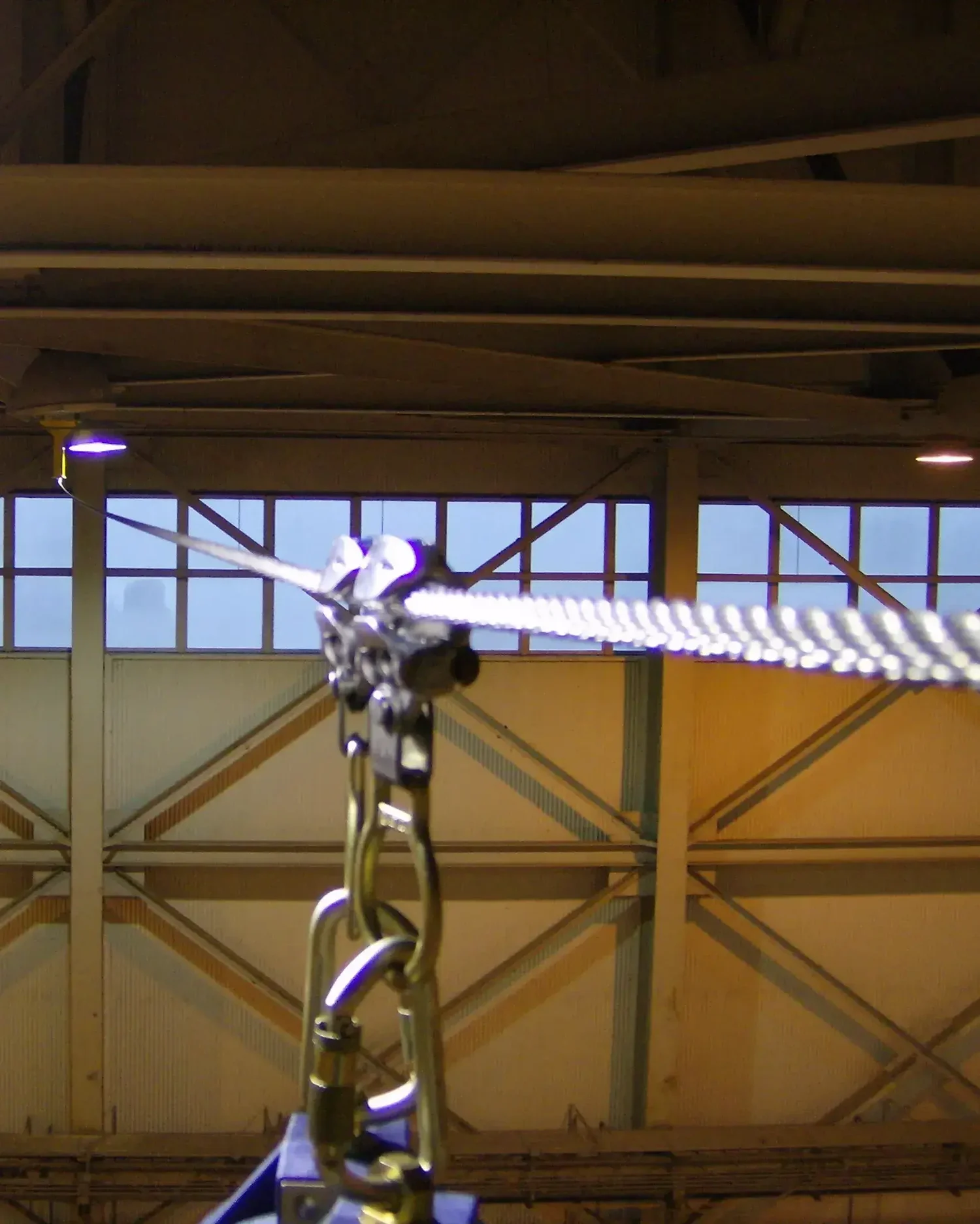
Understanding What an Overhead Lifeline Is
An Overhead Lifeline in Australia is a fall protection system designed to keep workers connected to a secure anchorage while performing tasks at height. These systems help reduce the risk of serious injuries by providing continuous protection as workers move across elevated work areas. An overhead lifeline typically consists of anchor points, cables or rigid rails, trolleys, connectors, and compatible full-body harnesses. When properly engineered and installed, the system allows workers to perform their duties safely without sacrificing mobility. Overhead lifelines are commonly installed in commercial buildings, industrial facilities, warehouses, manufacturing plants, transportation hubs, and construction projects. They are especially valuable in locations where workers frequently access elevated platforms, roofs, machinery, or production lines. As workplace safety continues to evolve, businesses across Australia increasingly recognize overhead lifeline systems as an essential investment for protecting employees and supporting efficient operations.
Why Overhead Lifeline Systems Are Essential in Australia
Working at height remains one of the most significant workplace hazards across many industries, making reliable fall protection a top priority. Installing an Overhead Lifeline in Australia helps organizations create safer work environments by minimizing the likelihood of falls and reducing the severity of accidents should they occur. Beyond protecting workers, these systems contribute to uninterrupted operations by decreasing downtime caused by workplace incidents. Employers also demonstrate their commitment to employee well-being by investing in dependable safety infrastructure. Modern workplaces often require employees to move freely while remaining securely connected to fall protection equipment, and overhead lifelines are specifically designed to meet this need. Whether employees perform routine inspections, maintenance tasks, or construction work, continuous fall protection increases confidence and productivity. A properly selected system becomes a valuable long-term asset that supports both workplace safety and operational excellence.
How an Overhead Lifeline System Works
An overhead lifeline system functions by connecting a worker’s full-body harness to an overhead cable or rigid rail through a specialized trolley or traveler. As the worker moves throughout the designated work area, the traveler glides smoothly along the lifeline while maintaining continuous attachment. Should a fall occur, the system is designed to arrest the fall and distribute the forces in a controlled manner, helping reduce the risk of severe injury. Energy absorbers further minimize the impact generated during fall arrest, enhancing worker protection. Strong anchor points secure the entire system to structural components capable of supporting required loads. Every component must work together as an integrated safety solution to deliver dependable performance. Routine inspections and proper user training are equally important because even the highest-quality equipment performs best when used correctly.
Main Types of Overhead Lifeline Systems Available in Australia
Businesses selecting an Overhead Lifeline in Australia have several options depending on their workplace requirements. Rigid rail overhead lifeline systems provide smooth movement with minimal deflection, making them suitable for manufacturing facilities, production lines, and maintenance workshops. Flexible cable systems offer excellent versatility and can span longer distances, making them popular for warehouses, construction projects, and large industrial environments. Single-user systems are ideal for maintenance personnel working independently in designated areas where only one worker requires fall protection at a time. Multi-user systems support multiple employees simultaneously, increasing efficiency on larger job sites while maintaining reliable safety. Each system can be engineered to match the unique structural characteristics of a facility. Choosing the appropriate lifeline depends on factors such as work area size, user capacity, movement requirements, and environmental conditions.
Industries That Commonly Use Overhead Lifeline in Australia
Many industries rely on Overhead Lifeline in Australia systems to protect employees who perform elevated work. Construction companies use these systems during building erection, structural maintenance, and roof installation projects. Manufacturing facilities install overhead lifelines above production equipment where technicians perform routine servicing and repairs. Warehouses utilize lifelines to protect workers accessing elevated storage areas and maintenance platforms. Mining operations depend on reliable fall protection because employees frequently work around heavy equipment, processing plants, and elevated structures. Aviation maintenance facilities also benefit from overhead lifelines when technicians inspect aircraft safely from above. Utility providers, transportation facilities, marine terminals, and food processing plants all face unique fall hazards that overhead systems effectively address. Their broad range of applications makes these systems an important component of workplace safety across Australia’s industrial landscape.
Key Benefits of Installing an Overhead Lifeline
Installing an Overhead Lifeline in Australia provides benefits that extend well beyond regulatory compliance. Worker safety improves because employees remain continuously connected to fall protection while performing tasks at height. Greater mobility allows workers to complete jobs more efficiently without repeatedly disconnecting and reconnecting their equipment. Businesses often experience increased productivity because employees can move confidently through designated work zones. Overhead lifelines also reduce the likelihood of costly workplace incidents, equipment damage, insurance claims, and project delays. Long-lasting materials and engineered designs provide excellent durability, making these systems a worthwhile long-term investment. Improved workplace morale is another important advantage, as employees appreciate working in an environment that prioritizes their safety. Combined, these benefits help organizations strengthen both operational performance and employee protection.
Factors to Consider Before Installing an Overhead Lifeline in Australia
Selecting the right Overhead Lifeline in Australia requires careful planning and professional evaluation. A thorough workplace risk assessment identifies hazards, work patterns, and areas where fall protection is most critical. Structural engineers should evaluate the building or supporting framework to ensure it can safely accommodate the required loads. Organizations must determine whether the system will support a single worker or multiple users simultaneously, as this directly affects design requirements. Environmental conditions also play an important role because outdoor locations may require corrosion-resistant materials capable of withstanding Australia’s diverse climate. Businesses should consider future expansion plans, ensuring the chosen system can adapt to additional workstations or changing operational needs. Working with experienced professionals helps ensure every aspect of the installation aligns with workplace objectives and long-term safety goals.
Australian Standards and Safety Compliance for Overhead Lifeline Systems
Every Overhead Lifeline in Australia should be designed, installed, and maintained according to applicable Australian safety requirements and engineering practices. Compliance begins with selecting quality components that have been tested for reliability and performance. Proper engineering ensures anchor points, support structures, and lifeline assemblies can safely withstand expected loads. Installation should always be performed by qualified professionals who understand structural integrity and fall protection principles. Routine inspections remain essential because wear, environmental exposure, and daily use can gradually affect system performance. Employers should maintain detailed inspection records and ensure workers receive proper training before using any fall protection equipment. Ongoing maintenance, documentation, and professional servicing contribute to a dependable safety program that protects both employees and business operations.
Common Applications of Overhead Lifeline Systems
An Overhead Lifeline in Australia supports a wide variety of elevated work activities across commercial and industrial environments. Roof maintenance crews rely on overhead systems when inspecting air conditioning equipment, ventilation units, and solar installations. Maintenance technicians working above production machinery benefit from continuous fall protection during servicing procedures. Loading docks, elevated walkways, bridge inspections, and utility infrastructure projects frequently require dependable overhead safety systems. Aircraft maintenance hangars use overhead lifelines to provide safe access across large aircraft surfaces. Warehouses also install lifelines above conveyor systems and storage platforms to protect maintenance personnel. These versatile systems adapt to numerous workplace layouts, making them suitable for organizations seeking comprehensive fall protection solutions across multiple operational areas.
Common Installation Mistakes to Avoid
Proper planning plays a significant role in the effectiveness of an Overhead Lifeline in Australia. One common mistake is installing anchor points without verifying structural capacity, which can compromise the entire safety system. Another issue occurs when businesses select equipment based solely on price instead of workplace requirements and engineering suitability. Skipping detailed site assessments may result in limited worker mobility or incomplete fall protection coverage. Poor installation practices can reduce system performance and increase maintenance costs over time. Inadequate worker training also creates unnecessary risks because employees may not fully understand proper equipment use. Avoiding these common mistakes through professional design, installation, and training helps maximize safety, reliability, and long-term value.
Inspection and Maintenance Best Practices
Regular maintenance ensures an Overhead Lifeline in Australia continues delivering dependable protection throughout its service life. Visual inspections should be performed before each use to identify obvious signs of wear, corrosion, loose components, or physical damage. Scheduled inspections conducted by qualified professionals provide a more comprehensive evaluation of structural integrity and system performance. Damaged components should be replaced immediately using compatible parts recommended by the manufacturer. Keeping equipment clean helps reduce corrosion and extends the lifespan of cables, rails, connectors, and trolleys. Accurate maintenance records support ongoing workplace safety programs and demonstrate responsible equipment management. Consistent inspections, timely repairs, and preventive maintenance contribute to reliable fall protection year after year.
Choosing the Right Overhead Lifeline Provider in Australia
Selecting a qualified provider is one of the most important decisions when investing in an Overhead Lifeline in Australia. Experienced providers understand how to evaluate workplace hazards and recommend solutions tailored to specific operational needs. They should offer engineering expertise, certified installation services, and ongoing inspection programs to support long-term system performance. High-quality products manufactured from durable materials provide greater reliability and lower lifetime maintenance costs. Strong technical support helps businesses address future modifications, expansions, and maintenance requirements as operations evolve. Reputable providers also offer user training that helps employees understand proper equipment operation and inspection procedures. Partnering with an experienced fall protection specialist gives organizations confidence that their investment will continue protecting workers for many years.
Frequently Asked Questions (FAQ)
What is an overhead lifeline system?
An overhead lifeline system is a fall protection solution that allows workers to remain securely connected while moving through elevated work areas. It helps reduce the risk of falls and supports safer movement during maintenance, construction, and industrial activities.
Who should use an Overhead Lifeline in Australia?
Any organization whose employees perform work at height can benefit from an overhead lifeline system. Common users include construction companies, manufacturers, warehouses, mining operations, aviation facilities, utilities, and commercial property managers.
What industries benefit the most from overhead lifeline systems?
Construction, manufacturing, warehousing, mining, transportation, aviation, energy, marine operations, and facility maintenance are among the industries that frequently rely on overhead lifeline systems for worker protection.
How often should an overhead lifeline be inspected?
Workers should perform a visual inspection before every use, while qualified professionals should conduct scheduled inspections according to manufacturer recommendations and workplace safety requirements.
Can an overhead lifeline system be customized?
Yes. Most systems are engineered to suit specific building layouts, structural conditions, work processes, user capacity, and operational requirements.
What is the difference between rigid rail and cable overhead lifeline systems?
Rigid rail systems provide smoother movement with minimal deflection, while cable systems offer greater flexibility over longer distances and are suitable for larger work areas.
Why is professional installation important?
Professional installation ensures the system is properly engineered, securely anchored, and capable of providing dependable fall protection while supporting long-term safety and performance.
Takeaway
An Overhead Lifeline in Australia is an essential investment for organizations committed to protecting employees who work at height. These systems provide continuous fall protection, improve worker mobility, and support safer daily operations across a wide range of industries. Careful planning, proper engineering, professional installation, and routine maintenance all contribute to dependable long-term performance. Businesses that choose quality equipment and experienced providers create safer workplaces while improving productivity and reducing operational risks. As workplace safety expectations continue to evolve, overhead lifeline systems remain one of the most effective solutions for preventing fall-related incidents. Investing in a well-designed overhead lifeline system demonstrates a strong commitment to employee well-being, operational efficiency, and responsible workplace management. With the right approach, organizations can build a safer environment that supports both people and business success.