
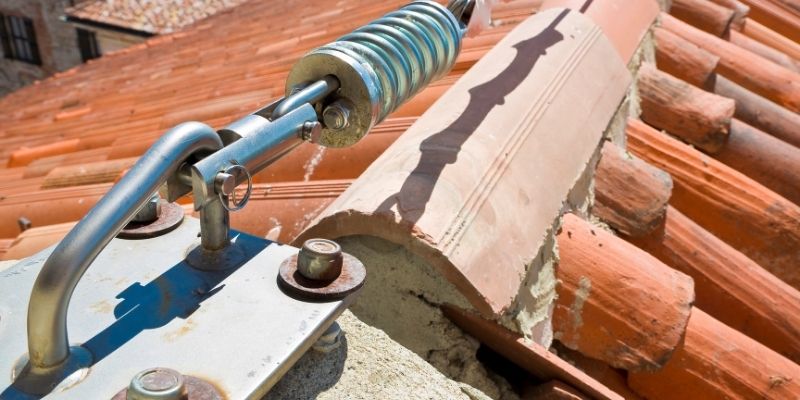
Working at height is one of the most hazardous activities across many industries, making reliable fall protection a top priority. Businesses throughout France continue to invest in dependable safety solutions that help protect workers while meeting workplace safety requirements. Among these solutions, anchor point equipment in France plays a vital role in supporting personal fall arrest systems and preventing serious injuries. Whether used on construction sites, industrial facilities, rooftops, or telecommunications towers, anchor points provide the secure connection needed for workers operating at elevated locations. Selecting the right equipment requires understanding different anchor types, installation methods, and inspection practices. Organizations that prioritize high-quality anchor systems often benefit from improved safety performance, greater operational efficiency, and long-term reliability. This guide explores everything you need to know about anchor point equipment in France and how it contributes to safer workplaces.
Why Anchor Point Equipment in France Matters
Every year, countless workers perform tasks on rooftops, elevated platforms, scaffolding, and structural frameworks where fall hazards are present. Reliable anchor point equipment in France provides a secure attachment point that allows workers to safely connect their personal protective equipment while completing demanding tasks. These systems significantly reduce the risk of falls by creating dependable connection points for harnesses, lanyards, and lifelines. Industries such as construction, manufacturing, energy, transportation, and facility maintenance rely heavily on properly installed anchor systems to support daily operations. As projects become larger and more technically complex, the need for dependable fall protection solutions continues to grow. Investing in certified anchor point equipment demonstrates a company’s commitment to worker safety and responsible operations. Proper planning and equipment selection also help minimize downtime caused by workplace incidents and equipment failures.
What Is Anchor Point Equipment?
Anchor point equipment refers to specially engineered devices designed to provide secure attachment locations for fall protection systems. These anchors become part of a complete personal fall arrest system that includes full-body harnesses, shock-absorbing lanyards, self-retracting lifelines, or vertical lifelines. Their primary purpose is to withstand the forces generated during a fall while protecting both the worker and the supporting structure. Anchor points are manufactured using durable materials such as stainless steel, galvanized steel, and high-strength aluminum to ensure long service life under demanding conditions. Different anchor designs are available to accommodate roofs, concrete, steel beams, walls, and other structural elements. Selecting the correct anchor depends on the work environment, expected loads, and the number of users. Understanding how anchor points function within an overall safety system is essential for maximizing protection.
Types of Anchor Point Equipment in France
Anchor point equipment in France is available in several configurations to accommodate different workplaces and job requirements. Permanent anchor points are commonly installed on commercial buildings, factories, warehouses, and industrial plants where workers regularly access elevated areas. These systems remain fixed to the structure and are designed for long-term use with minimal maintenance. Temporary anchor points provide flexible solutions for short-term projects, allowing workers to install and remove anchors as needed without permanently modifying the structure. Beam anchors, sling anchors, portable roof anchors, and vacuum anchors are examples of temporary options used across multiple industries. Specialized systems such as horizontal lifelines, vertical lifelines, and mobile anchor devices provide continuous protection for workers who need to travel across large work areas. Custom-engineered anchor systems can also be developed for unique structures or specialized industrial environments where standard products may not provide adequate coverage.
Industries That Depend on Anchor Point Equipment in France
Many industries depend on anchor point equipment in France to create safer working environments. Construction companies use permanent and temporary anchor systems during building construction, renovation, and roofing projects. Manufacturing facilities rely on anchor points to protect maintenance personnel working on elevated machinery and production equipment. Warehouse operators often install rooftop anchors for HVAC servicing, lighting maintenance, and facility inspections. Telecommunications providers use anchor systems while technicians install or maintain communication towers and rooftop antenna equipment. Renewable energy companies depend on fall protection systems for wind turbines and solar installations where elevated work is unavoidable. Rail operators, transportation companies, and infrastructure maintenance teams also use anchor points to safeguard workers servicing bridges, stations, and elevated structures. Across these industries, dependable anchor systems support both worker protection and uninterrupted operations.
Key Features to Look for When Choosing Anchor Point Equipment in France
Choosing the right anchor point equipment in France requires evaluating several important characteristics before making a purchasing decision. Strength and load capacity should always be carefully reviewed to ensure the equipment meets anticipated working conditions and applicable safety standards. High-quality materials such as stainless steel and galvanized steel provide excellent resistance against corrosion, moisture, chemicals, and changing weather conditions. Compatibility with the supporting structure is equally important because different anchors are designed specifically for steel, concrete, masonry, or roofing materials. Ease of installation and future maintenance should also be considered to reduce downtime and simplify inspections. Businesses should look for products that include clear installation instructions, inspection guidelines, and product certifications. Selecting durable, certified equipment contributes to long-term reliability while reducing replacement costs over the equipment’s lifespan.
Safety Standards and Compliance for Anchor Point Equipment in France
Compliance with recognized safety standards is an essential aspect of selecting anchor point equipment in France. Many employers choose equipment that carries CE marking and complies with relevant European standards governing fall protection products. These standards establish performance requirements for anchor devices, helping ensure consistent quality and reliable performance during use. Employers are responsible for providing appropriate fall protection equipment and ensuring workers receive adequate training on proper usage. Regular inspections performed by competent personnel help identify wear, corrosion, loose components, or structural damage before equipment becomes unsafe. Accurate inspection records support ongoing compliance while demonstrating responsible safety management practices. By following recognized standards and maintaining documented inspection schedules, organizations create safer workplaces while reducing operational risks.
How to Select the Right Anchor Point Equipment in France
Selecting suitable anchor point equipment in France begins with a detailed assessment of workplace hazards. Employers should evaluate the working height, potential fall distance, worker movement patterns, and surrounding obstacles before selecting an anchor system. Environmental factors such as wind exposure, moisture, chemicals, and extreme temperatures may also influence material selection and system design. Companies should determine whether a permanent installation or temporary solution best matches project requirements and anticipated future use. The number of workers using the system simultaneously should also be considered when determining load capacity and anchor placement. Consulting experienced safety professionals can provide valuable engineering recommendations and help ensure compatibility with the supporting structure. Careful planning results in a fall protection system that supports worker safety while meeting operational needs.
Installation Best Practices for Anchor Point Equipment
Proper installation is one of the most important factors influencing the performance of anchor point equipment in France. Even the highest-quality anchor system cannot provide reliable protection if it is incorrectly installed or attached to an unsuitable structure. Installation should begin with a structural assessment to verify the supporting surface can safely withstand required loads. Qualified professionals should follow manufacturer specifications and applicable engineering requirements throughout the installation process. Every anchor location should be selected to minimize fall distance while providing adequate worker mobility. Once installation is complete, testing and documentation help verify that the system performs as intended. Maintaining detailed installation records also simplifies future inspections and maintenance planning while supporting workplace compliance.
Inspection and Maintenance Guidelines
Routine inspection and maintenance help maximize the service life and safety performance of anchor point equipment in France. Before every use, workers should visually inspect anchor devices for signs of corrosion, loose hardware, cracks, deformation, or excessive wear. Environmental exposure may gradually affect certain components, making regular inspections especially important in coastal or industrial environments. Scheduled inspections conducted by qualified personnel provide a more detailed assessment of structural integrity and overall system condition. Damaged or questionable components should be repaired or replaced immediately rather than continuing to operate with compromised equipment. Maintenance records should document inspection dates, findings, repairs, and replacement activities to support ongoing compliance. Consistent maintenance practices help ensure anchor systems remain dependable throughout their operational lifespan.
Common Mistakes to Avoid When Using Anchor Point Equipment in France
Several avoidable mistakes can reduce the effectiveness of anchor point equipment in France and increase workplace risk. One common error involves selecting anchor devices that are incompatible with the supporting structure or intended application. Improper installation can also compromise system performance, even when using high-quality equipment. Workers should never exceed the rated capacity of an anchor point or connect more users than the system is designed to support. Skipping routine inspections may allow hidden damage or corrosion to go unnoticed until equipment failure occurs. Another frequent mistake involves inadequate worker training, leading to incorrect equipment usage or improper attachment methods. Employers who establish clear safety procedures, provide ongoing training, and enforce inspection schedules significantly improve overall workplace safety.
Benefits of Investing in High-Quality Anchor Point Equipment in France
Investing in premium anchor point equipment in France offers substantial advantages for organizations committed to workplace safety. High-quality systems provide dependable protection that helps reduce the likelihood of fall-related incidents and associated costs. Durable construction materials extend equipment lifespan, minimizing replacement expenses and maintenance requirements over time. Reliable anchor systems also improve worker confidence by allowing employees to focus on their tasks with greater peace of mind. Organizations that prioritize quality equipment often experience improved productivity because properly protected workers can perform elevated tasks more efficiently. Strong safety programs also contribute to enhanced company reputation among clients, partners, and employees. Choosing dependable anchor solutions represents a long-term investment in operational excellence and workforce protection.
Frequently Asked Questions (FAQ)
What is anchor point equipment used for?
Anchor point equipment provides a secure attachment location for personal fall protection systems. It supports harnesses, lanyards, and lifelines, helping protect workers from falls while working at height.
Which industries commonly use anchor point equipment in France?
Construction, manufacturing, telecommunications, renewable energy, warehousing, transportation, infrastructure maintenance, and commercial building maintenance all rely on anchor point systems for worker safety.
What safety standards should anchor point equipment meet?
Anchor point equipment should comply with applicable European standards and carry appropriate certifications, including CE marking where required, to help ensure quality and performance.
How often should anchor point equipment be inspected?
Workers should perform visual inspections before every use, while qualified personnel should conduct scheduled inspections according to manufacturer recommendations and workplace safety policies.
What is the difference between permanent and temporary anchor points?
Permanent anchor points remain fixed to a structure for ongoing use, while temporary anchor points can be installed and removed as needed for short-term projects or maintenance activities.
Can anchor point equipment be installed on existing buildings?
Yes. Many anchor systems are specifically designed for retrofitting existing commercial, industrial, and residential buildings, provided the supporting structure meets engineering requirements.
How do I choose the right anchor point equipment for my project?
Evaluate the work environment, structural conditions, number of users, environmental exposure, and intended application. Consulting experienced safety professionals can help ensure the most appropriate system is selected.
Why is professional installation recommended for anchor systems?
Professional installation helps ensure the equipment is properly attached, correctly positioned, and capable of performing as intended during fall arrest situations.
Takeaway
Anchor point equipment in France is an essential component of modern workplace fall protection, providing secure attachment points that help safeguard workers performing elevated tasks. Selecting the appropriate anchor system requires careful consideration of workplace hazards, structural compatibility, regulatory compliance, and long-term maintenance needs. Organizations that invest in durable, certified equipment and follow proper installation and inspection practices create safer working environments while supporting operational efficiency. By combining quality anchor systems with comprehensive worker training and regular maintenance, businesses can strengthen their overall safety culture and reduce the risks associated with working at height.