
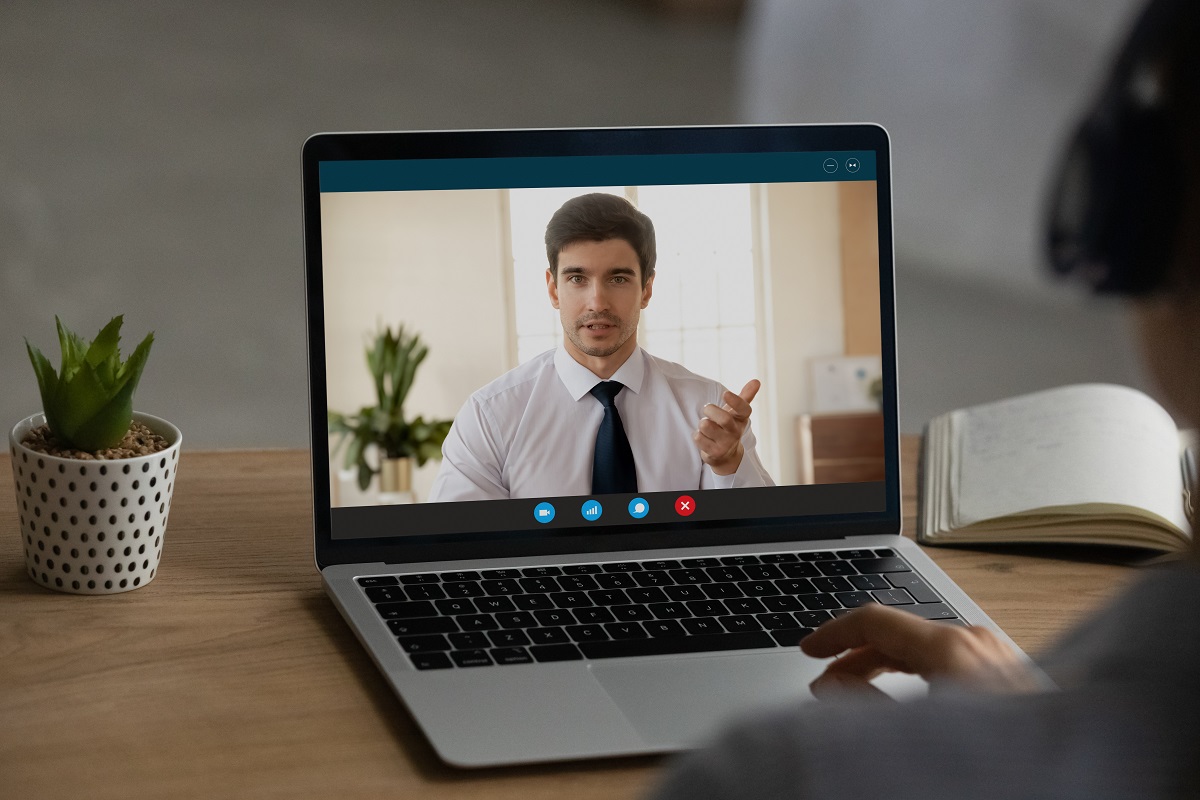
Businesses across the world are transforming the way they generate revenue, and the demand for a reliable remote sales closing service continues to grow at a rapid pace. Companies are no longer limited by geography when building high-performing sales teams because virtual closers can now connect with prospects from nearly anywhere. From startups and marketing agencies to SaaS providers and coaching brands, organizations are recognizing the value of remote closers who specialize in converting qualified leads into paying clients. A remote sales closing service helps businesses maintain strong sales performance without the burden of hiring large in-house departments. This modern approach to selling allows companies in the USA, UK, Canada, Australia, UAE, Singapore, and other international markets to scale operations more efficiently. Virtual sales environments have become more accepted by consumers, making remote closing a highly effective strategy for high-ticket and service-based offers. Businesses that adapt to these digital sales methods often experience improved conversion rates, faster deal cycles, and stronger customer relationships.
The Growing Demand for Remote Sales Closing Service
The digital marketplace has changed the expectations of modern buyers, and many consumers now prefer online consultations over traditional face-to-face meetings. Companies that once relied entirely on physical offices are now embracing virtual communication platforms to reach broader audiences. A remote sales closing service allows businesses to engage prospects quickly while reducing operational limitations. This shift has become especially important for organizations selling high-ticket services, consulting programs, software subscriptions, and premium solutions. Remote sales professionals can communicate through video calls, phone consultations, email follow-ups, and CRM platforms without compromising the quality of the customer experience. Businesses also benefit from having access to global talent rather than limiting recruitment to a single location. As competition continues to increase in digital markets, remote closing services provide companies with a practical way to improve sales efficiency while maintaining flexibility.
Many organizations are turning to virtual sales strategies because they offer scalability without excessive overhead expenses. Traditional sales teams often require office space, extensive onboarding, and ongoing administrative costs that can strain business resources. Remote sales closing removes many of these barriers by offering flexible sales support tailored to business goals. Companies can expand into international markets while maintaining personalized communication with prospects across multiple time zones. This ability to connect with customers worldwide has become a major advantage for growing businesses. Remote closers are also trained to manage online sales conversations professionally, which helps create trust even in virtual settings. As digital commerce continues to evolve, businesses that leverage remote closing services position themselves for long-term growth and improved revenue opportunities.
What Is a Remote Sales Closing Service?
A remote sales closing service is a professional sales solution designed to convert qualified leads into customers through virtual communication channels. These services focus on closing deals using video conferencing, phone calls, email communication, and online sales systems. Instead of relying on in-person meetings, remote sales closers conduct consultations digitally while guiding prospects through the buying process. Their primary goal is to help businesses increase revenue by improving conversion rates and handling sales conversations effectively. Many companies use remote closers for high-ticket offers because these professionals are trained to build trust and address objections confidently. Businesses benefit from having skilled sales specialists manage conversations that require persuasion, relationship-building, and strategic communication. This approach allows business owners to focus on operations, marketing, and expansion while experienced closers handle the final stages of the sales process.
A remote sales closing service often works closely with lead generation teams and appointment setters to create a seamless customer journey. Sales setters typically focus on booking appointments, while closers handle deeper sales conversations and negotiations. This separation of roles improves efficiency because each professional specializes in a specific stage of the sales funnel. Remote closers are also highly adaptable and can work with businesses in various industries including real estate, consulting, SaaS, marketing, and e-commerce. They are trained to understand customer psychology, identify buying signals, and tailor solutions based on client needs. Since virtual selling relies heavily on communication skills, successful closers develop strong listening abilities and emotional intelligence. Businesses that invest in remote sales closing services often gain a competitive advantage because they can scale revenue without sacrificing customer engagement.
How a Remote Sales Closing Service Works
The process behind a remote sales closing service begins with lead qualification and preparation. Qualified prospects are reviewed before the sales call to ensure they align with the company’s target customer profile. Closers often analyze customer pain points, goals, and previous interactions before engaging in a consultation. This preparation allows the sales conversation to feel more personalized and productive. During the call, the closer focuses on building rapport while identifying the prospect’s primary challenges and objectives. Effective communication plays a crucial role because virtual conversations require confidence, clarity, and professionalism. Skilled remote closers use consultative selling techniques to guide the discussion naturally while positioning the business solution as the right fit.
Once the consultation begins, the closer presents the offer in a way that highlights value rather than focusing solely on price. They answer questions, manage objections, and address hesitations that may prevent the prospect from making a purchase decision. Follow-up communication is another essential part of the process because many buyers require additional time before committing to an investment. Remote closers maintain consistent communication through emails, scheduled calls, and CRM systems to keep leads engaged. Businesses also rely on remote sales teams to track sales metrics, conversion rates, and customer feedback. This data helps organizations improve sales strategies and identify opportunities for growth. The combination of relationship-building, strategic communication, and consistent follow-up makes remote sales closing a powerful revenue-driving solution.
Key Responsibilities of Remote Sales Closers
- Conducting virtual sales consultations with qualified leads
- Understanding customer pain points and goals
- Presenting products or services with confidence
- Handling objections professionally during calls
- Following up with undecided prospects
- Updating CRM systems and tracking sales progress
- Collaborating with marketing and appointment-setting teams
Key Benefits of Hiring a Remote Sales Closing Service
One of the biggest advantages of hiring a remote sales closing service is access to experienced sales professionals who understand advanced closing techniques. Businesses can immediately benefit from specialized expertise without spending months training internal staff. Skilled closers know how to manage conversations strategically while creating a positive customer experience. This level of expertise often leads to stronger conversion rates and more consistent revenue generation. Companies that sell premium services or high-ticket offers especially benefit from experienced remote closers because these deals require strong persuasion and relationship-building skills. Business owners can also avoid the stress of personally handling every sales conversation. Delegating closing responsibilities to experts allows leadership teams to focus on growth initiatives and operational improvements.
Another major benefit involves cost savings and scalability. Maintaining an in-house sales department often requires significant investments in office space, salaries, equipment, and ongoing training. Remote sales closing services reduce many of these expenses while still providing professional sales support. Businesses can scale their sales operations more efficiently because remote teams can adapt to changing workloads quickly. This flexibility becomes especially valuable during seasonal campaigns or periods of rapid business growth. Companies serving global markets also benefit because remote closers can work across different time zones and customer regions. Businesses in the USA, UK, Canada, Australia, UAE, and Singapore frequently use virtual sales teams to maintain international sales coverage. The ability to expand globally without establishing multiple physical offices creates new opportunities for revenue growth and brand visibility.
Industries That Benefit Most From Remote Sales Closing Service
Many industries are experiencing strong results from using remote sales closing service solutions. Coaching and consulting businesses frequently rely on virtual closers to convert discovery calls into paying clients. High-ticket coaching programs often require detailed conversations where prospects need reassurance before making a financial commitment. Remote closers are trained to build trust while guiding potential clients through the decision-making process. Marketing agencies also benefit from remote closing services because agency owners can focus on delivering results while sales professionals handle prospect consultations. This division of responsibilities creates more efficient workflows and supports long-term scalability. Real estate professionals and property investment firms also use virtual closers to engage international buyers and investors. The ability to conduct remote consultations has expanded opportunities for global property transactions.
SaaS and technology companies are another major sector benefiting from remote sales strategies. Software providers often require detailed product demonstrations and personalized consultations before customers commit to subscriptions or enterprise packages. Remote closers help simplify complex solutions while highlighting long-term value for prospects. E-commerce businesses selling premium products also use virtual sales support to improve customer retention and upsell opportunities. Businesses operating in competitive online markets understand that personalized communication can significantly improve conversion rates. Remote closing services help bridge the gap between automated marketing systems and human relationship-building. As more companies transition toward digital business models, virtual sales solutions are becoming an essential part of sustainable revenue growth.
Essential Skills Every Remote Sales Closer Should Have
Successful remote sales closers possess a combination of communication skills, emotional intelligence, and strategic thinking. Since virtual sales conversations rely heavily on verbal interaction, closers must communicate clearly and confidently at all times. Active listening is equally important because understanding customer concerns allows the closer to tailor solutions more effectively. High-performing sales professionals know how to identify buying signals and guide conversations naturally without appearing overly aggressive. Emotional intelligence also plays a major role because prospects are more likely to trust closers who genuinely understand their challenges and goals. Building rapport through virtual communication requires authenticity, professionalism, and adaptability. These qualities help create stronger customer relationships even without face-to-face interaction.
Technical proficiency has also become essential in remote sales environments. Closers must understand how to use CRM systems, video conferencing tools, and sales automation platforms efficiently. Time management skills are critical because remote professionals often work with clients across multiple time zones and industries. Adaptability is another valuable trait because every prospect and sales conversation is different. Strong objection-handling abilities allow closers to address concerns confidently while maintaining a positive tone throughout the discussion. Persistence and consistency also contribute to long-term sales performance because not every lead converts immediately. Businesses that hire remote closers with these skills often experience more stable and predictable revenue growth.
Important Tools Used in Remote Sales Closing Service
Technology plays a major role in the effectiveness of a remote sales closing service. CRM platforms help organize customer interactions, track leads, and monitor sales progress efficiently. These systems provide businesses with valuable insights into conversion performance and customer behavior. Video conferencing tools are equally important because they allow sales professionals to conduct personalized consultations from virtually anywhere. High-quality virtual communication helps build trust and creates a more engaging customer experience. Sales automation tools also improve efficiency by streamlining follow-up communication and appointment reminders. Businesses can maintain consistent engagement with leads without relying entirely on manual processes.
Analytics and reporting platforms give organizations the ability to measure sales performance accurately. Companies can track metrics such as close rates, customer acquisition costs, and revenue growth to identify areas for improvement. Remote sales teams also use scheduling software to coordinate meetings across different time zones more effectively. Cloud-based collaboration tools support communication between closers, marketing teams, and business owners. These technologies allow organizations to maintain smooth workflows while scaling operations internationally. Businesses serving clients in the USA, UK, Canada, Australia, UAE, and Singapore especially benefit from tools that simplify global communication. The right combination of technology and skilled sales professionals creates a highly efficient virtual sales system capable of driving long-term business growth.
Common Challenges in Remote Sales Closing and How to Overcome Them
While remote sales closing offers many advantages, businesses must also address several common challenges. One of the most significant obstacles involves building trust in a virtual environment. Prospects may feel hesitant when purchasing high-ticket services without meeting a representative in person. Remote closers overcome this challenge by focusing on authenticity, professionalism, and clear communication during every interaction. Personalized conversations and active listening also help create stronger emotional connections with prospects. Businesses that prioritize transparency and consistent follow-up often experience better customer engagement. Establishing credibility through expertise and professionalism is essential for maintaining trust in digital sales environments.
Another challenge involves managing communication across multiple time zones and international markets. Businesses serving global clients must ensure prompt responses and convenient scheduling options for prospects. Remote sales teams often use scheduling tools and CRM systems to maintain organization and responsiveness. Lead quality can also impact closing performance because poorly qualified leads waste valuable time and resources. Aligning marketing and sales strategies helps improve lead targeting and conversion opportunities. Companies that regularly review sales data and customer feedback can identify weaknesses in their sales process more effectively. With the right systems and communication strategies, businesses can overcome these challenges while maximizing the benefits of remote sales closing services.
What to Look for When Choosing a Remote Sales Closing Service
Choosing the right remote sales closing service requires careful evaluation of experience, communication quality, and industry expertise. Businesses should look for providers with proven experience in handling high-ticket sales conversations and managing complex customer interactions. Industry-specific knowledge can also make a significant difference because every market has unique customer expectations and buying behaviors. Companies should evaluate whether the service provider uses structured sales methodologies that align with their business goals. Transparent reporting and communication are equally important because business owners need visibility into sales performance and conversion metrics. Reliable remote sales teams provide regular updates and maintain strong collaboration with internal departments. This level of transparency helps businesses maintain alignment between sales and marketing efforts.
Scalability is another critical factor when selecting a remote closing service. Businesses need sales partners who can adapt quickly to growth, changing customer demands, and expanding markets. Flexibility allows organizations to scale operations without major disruptions or excessive hiring costs. Companies serving international clients should also prioritize providers experienced in working across different cultures and time zones. A strong remote sales closing service understands how to communicate effectively with customers from the USA, UK, Canada, Australia, UAE, Singapore, and other global regions. Businesses that choose the right virtual sales partner often experience improved efficiency, stronger customer relationships, and higher revenue potential. Investing in the right service provider can significantly impact long-term business growth and profitability.
The Future of Remote Sales Closing Service
The future of remote sales closing service continues to evolve as businesses increasingly embrace digital transformation. Artificial intelligence and automation tools are becoming more integrated into sales processes, helping teams analyze customer behavior and improve lead qualification. Despite these technological advancements, human communication remains essential for building trust and closing high-value deals. Businesses are combining automation with skilled virtual closers to create hybrid sales systems that maximize efficiency and personalization. This balance between technology and relationship-building is expected to shape the next generation of online sales strategies. Companies that adapt to these evolving methods are more likely to remain competitive in fast-changing markets.
The demand for virtual sales professionals is also expected to rise as more organizations expand into global markets. Remote sales teams provide flexibility that traditional office-based models cannot always match. Businesses now recognize that talented closers can generate strong results regardless of physical location. Improved communication technology continues to make virtual consultations more engaging and effective for both businesses and customers. Industries that rely on high-ticket sales will likely continue investing heavily in remote closing services to improve scalability and customer engagement. As online commerce continues to expand worldwide, remote sales closing services will remain a vital component of modern revenue growth strategies.
FAQ
What does a remote sales closing service do?
A remote sales closing service helps businesses convert qualified leads into paying customers through virtual consultations, phone calls, video meetings, and follow-up communication. These professionals focus on guiding prospects through the buying process while addressing objections and building trust.
Is remote sales closing effective for high-ticket offers?
Yes, remote sales closing is highly effective for high-ticket products and services because skilled closers are trained to build relationships, communicate value clearly, and manage complex sales conversations in virtual environments.
Which industries benefit the most from remote sales closing?
Industries such as coaching, consulting, SaaS, marketing agencies, real estate, and e-commerce benefit greatly from remote sales closing because these sectors often rely on personalized consultations and high-value transactions.
How much does a remote sales closing service cost?
Pricing varies depending on the provider, industry, sales complexity, and compensation structure. Some services charge commission-based fees, while others use monthly retainers or hybrid payment models.
Can remote sales closers work with international clients?
Yes, remote sales closers frequently work with global clients across regions such as the USA, UK, Canada, Australia, UAE, and Singapore. Virtual communication tools allow them to manage international consultations efficiently.
What is the difference between a sales setter and a sales closer?
A sales setter focuses on generating and booking qualified appointments, while a sales closer handles the consultation process and converts prospects into paying customers.
How do businesses measure the success of a remote sales closing service?
Businesses typically evaluate performance using metrics such as conversion rates, revenue growth, customer acquisition costs, appointment-to-sale ratios, and overall return on investment.
Takeaway
A remote sales closing service gives businesses the ability to scale revenue, improve conversion rates, and expand into global markets without the limitations of traditional in-house sales models. Skilled virtual closers help companies build stronger customer relationships while managing high-value sales conversations professionally. Businesses across industries are recognizing the advantages of combining technology, communication expertise, and flexible sales systems to drive long-term growth. As digital commerce continues to evolve, remote sales closing remains one of the most effective strategies for companies seeking sustainable expansion and stronger sales performance worldwide.