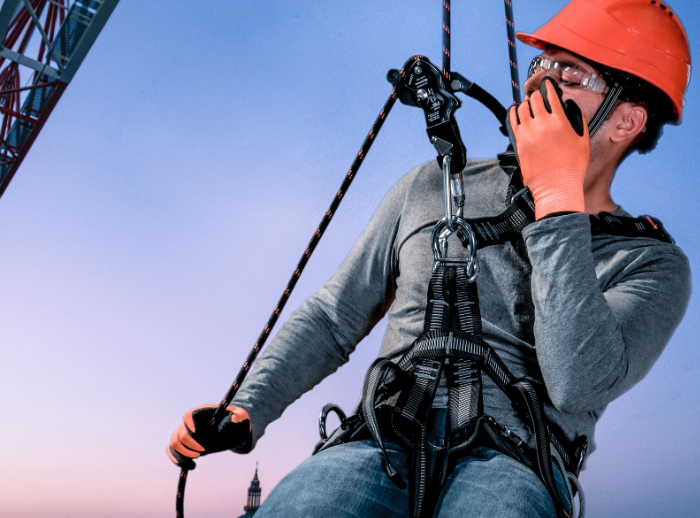
Working at height is one of the most hazardous tasks across many industries, making dependable fall protection equipment a necessity rather than an option. Businesses that shop Full Body Harness in Myanmar often seek equipment that combines safety, comfort, durability, and compliance with internationally recognized standards. Whether employees are working on construction sites, communication towers, warehouses, industrial plants, or utility projects, the right harness can significantly reduce the risk of serious injuries during a fall. Selecting the appropriate harness also demonstrates an employer’s commitment to maintaining a safe and productive workplace. Modern full body harnesses are designed to distribute fall forces across the strongest parts of the body, minimizing injury while supporting efficient rescue operations if needed. Understanding the features, applications, and purchasing considerations helps organizations make informed investments that benefit both workers and long-term operations. This guide explores everything buyers should know before they shop Full Body Harness in Myanmar.
Why Full Body Harnesses Are Essential for Workplace Safety in Myanmar
A full body harness is a critical component of every personal fall arrest system because it secures the worker safely during elevated tasks. Many industries throughout Myanmar rely on workers who regularly perform duties above ground level, where fall hazards are common. Construction projects, industrial maintenance, energy facilities, and telecommunications installations all require dependable fall protection. Wearing a properly fitted harness greatly reduces the likelihood of severe injury by distributing arrest forces over the shoulders, chest, thighs, and pelvis. Employers also benefit from fewer workplace incidents, reduced downtime, and improved workforce confidence. A strong safety culture encourages employees to perform their tasks with greater focus and peace of mind. Choosing high-quality fall protection equipment is one of the most effective ways to protect valuable human resources.
What Is a Full Body Harness?
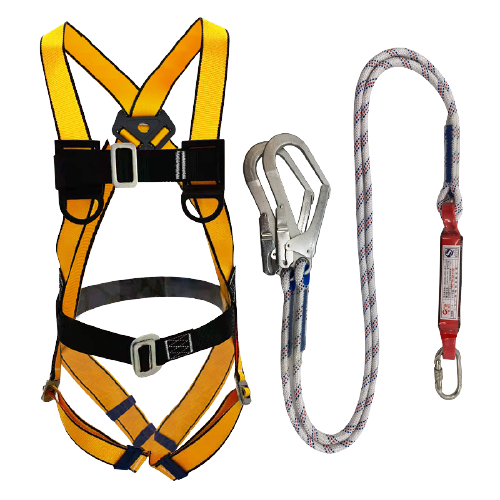
A full body harness is personal protective equipment designed to support and protect workers who perform tasks at height. It consists of adjustable shoulder straps, chest straps, leg straps, buckles, and one or more attachment points called D-rings. These components work together to hold the worker securely while maintaining proper body positioning during a fall. Unlike traditional safety belts that concentrate forces around the waist, a full body harness spreads impact across stronger areas of the body. This design significantly reduces the chance of serious internal injuries following a fall arrest. Many harnesses include additional attachment points for climbing, positioning, rescue, or confined space work, making them suitable for specialized applications. Selecting the right harness starts with understanding how its features match the intended working environment.
Key Benefits of Shopping for a Full Body Harness in Myanmar
Organizations that shop Full Body Harness in Myanmar gain access to equipment designed for a wide range of industrial applications. A quality harness enhances worker protection by providing reliable fall arrest capabilities during elevated tasks. Comfortable designs encourage employees to wear their protective equipment correctly throughout long work shifts. Adjustable straps and ergonomic padding improve mobility while minimizing fatigue. Durable materials such as high-strength polyester webbing and corrosion-resistant metal hardware help extend product lifespan even in demanding environments. Investing in dependable safety equipment often reduces replacement costs and improves operational efficiency over time. Businesses also strengthen their commitment to workplace safety by equipping their teams with reliable protective gear.
Types of Full Body Harnesses Available in Myanmar
Different job responsibilities require different harness configurations to maximize worker safety and productivity. General construction harnesses are commonly used for roofing, scaffolding, and structural work where standard fall arrest protection is sufficient. Tower climbing harnesses include additional positioning features that support workers during telecommunications and utility maintenance. Rescue harnesses are designed with multiple lifting points that simplify emergency retrieval procedures. Confined space harnesses allow safe entry into tanks, tunnels, and other restricted work environments while supporting rescue operations if necessary. Arc flash-resistant harnesses use specialized materials suitable for electrical work where thermal hazards exist. Harnesses equipped with positioning belts are especially useful for workers who need both fall protection and hands-free stability while completing elevated tasks.
Factors to Consider Before You Shop Full Body Harness in Myanmar
Choosing the right harness involves more than comparing prices because worker safety depends on selecting equipment that matches specific job requirements. Buyers should first verify that the harness meets recognized safety certifications such as ANSI, EN, or applicable OSHA requirements. Proper sizing is equally important because an improperly fitted harness may fail to protect the worker effectively during a fall. Adjustable straps, secure buckles, and ergonomic designs improve both safety and comfort throughout extended work periods. Buyers should also evaluate weight capacity, ensuring the harness supports both the worker and any carried equipment. Durable webbing, reinforced stitching, and corrosion-resistant hardware increase reliability under demanding conditions. Compatibility with lanyards, self-retracting lifelines, connectors, and anchorage systems should always be confirmed before purchasing.
Industries That Frequently Shop Full Body Harness in Myanmar
Numerous industries depend on reliable fall protection because employees regularly work in elevated or hazardous environments. Construction companies require harnesses for building projects, bridge construction, and infrastructure development. Telecommunications providers use specialized climbing harnesses for tower installation and maintenance. Utility companies rely on fall protection during electrical line work and power distribution maintenance. Manufacturing facilities often require harnesses for equipment servicing, elevated platforms, and plant maintenance. Warehouses utilize harnesses for workers accessing high storage systems and elevated maintenance areas. Oil and gas facilities, mining operations, renewable energy projects, and industrial processing plants also depend on quality harnesses to maintain safe working conditions across challenging environments.
Choosing the Right Full Body Harness for Different Work Environments
Each workplace presents unique risks that influence the type of harness required for maximum protection. Roofing professionals often benefit from lightweight harnesses that allow unrestricted movement while maintaining dependable fall arrest capability. Scaffold workers generally require harnesses compatible with shock-absorbing lanyards and secure anchor points. Steel erection crews frequently select harnesses with positioning D-rings that provide greater stability during structural installation. Telecommunications technicians prefer climbing harnesses that reduce fatigue while working on towers for extended periods. Confined space workers need harnesses designed for vertical rescue and emergency retrieval. Utility technicians, industrial maintenance personnel, and renewable energy workers also require harnesses that balance comfort, durability, and specialized attachment options suitable for their daily tasks.
Common Mistakes to Avoid When Buying a Full Body Harness
Purchasing a harness based solely on the lowest price can compromise worker safety and increase long-term expenses. Ignoring internationally recognized safety certifications may result in equipment that fails to provide adequate protection during an actual fall. Selecting the wrong harness type for the intended application can reduce both comfort and effectiveness. Improper sizing is another frequent mistake that affects harness performance and worker confidence. Buyers should avoid overlooking compatibility with lanyards, connectors, and anchor systems because complete fall protection depends on properly matched components. Failing to inspect product quality before purchase may result in premature wear or unexpected equipment failure. Organizations should also avoid using damaged, expired, or previously fall-loaded harnesses because their protective performance may no longer be reliable.
Full Body Harness Inspection Checklist Before Every Use
Routine inspections are one of the most important responsibilities for every worker using fall protection equipment. The webbing should be examined carefully for cuts, fraying, abrasions, burns, or chemical damage that could weaken the material. Every buckle must operate smoothly and securely without signs of bending, cracking, or corrosion. D-rings should remain free from deformation, excessive wear, or rust that may reduce their strength. Stitching should remain intact with no loose threads or damaged seams that compromise structural integrity. Product labels should remain readable because they provide essential information regarding inspections, certifications, and traceability. If any defects are discovered during inspection, the harness should be removed from service immediately until qualified personnel determine whether replacement is necessary.
Proper Care and Storage Tips
Proper maintenance significantly extends the service life of a full body harness while preserving its protective capabilities. Harnesses should be cleaned according to the manufacturer’s recommendations using mild cleaning agents that do not damage the webbing. After cleaning, the equipment should air dry naturally in a well-ventilated location away from direct heat sources. Storage areas should remain cool, dry, and protected from sunlight, excessive humidity, chemicals, and sharp objects. Workers should avoid dropping heavy objects on stored harnesses or compressing them beneath other equipment. Regular inspection schedules should continue even when the harness is not actively being used because environmental exposure can gradually affect material integrity. Following these maintenance practices helps ensure the equipment remains dependable throughout its intended service life.
Why Buying High-Quality Full Body Harnesses Is a Smart Long-Term Investment
Organizations that shop Full Body Harness in Myanmar should view quality equipment as an investment in both employee well-being and operational performance. Premium harnesses are manufactured using durable materials that withstand demanding industrial conditions over extended periods. Reliable equipment often requires fewer replacements, helping businesses reduce lifecycle costs despite a higher initial purchase price. Workers are generally more willing to wear comfortable, well-designed harnesses consistently, which supports stronger safety compliance across job sites. High-quality equipment also contributes to reduced accident risks, improved morale, and greater confidence when working at height. Employers strengthen their reputation by demonstrating a commitment to providing dependable personal protective equipment. Investing in reliable fall protection supports safer operations while helping organizations maintain productivity across a wide range of industries.
Frequently Asked Questions
What is the purpose of a full body harness?
A full body harness protects workers performing tasks at height by securing them within a fall arrest system. It distributes fall forces across stronger parts of the body to reduce injury risk while supporting safe rescue procedures if a fall occurs.
How do I choose the correct full body harness for my job?
Choose a harness based on your work environment, required attachment points, comfort, weight capacity, and applicable safety certifications. Always ensure the harness is compatible with your complete fall protection system.
Are certified full body harnesses important when shopping in Myanmar?
Yes. Certified harnesses are manufactured and tested according to recognized safety standards, providing greater confidence that the equipment performs reliably during fall arrest situations.
How often should a full body harness be inspected?
Workers should inspect their harness before every use, while qualified personnel should perform documented periodic inspections according to workplace safety procedures and manufacturer recommendations.
Can a full body harness be reused after a fall?
Generally, a harness that has arrested a fall should be removed from service immediately unless the manufacturer specifically states otherwise after proper inspection. Using a fall-loaded harness without evaluation can compromise worker safety.
What industries in Myanmar commonly use full body harnesses?
Construction, telecommunications, utilities, manufacturing, warehousing, mining, renewable energy, oil and gas, industrial maintenance, and infrastructure projects all commonly require full body harnesses.
How should a full body harness be stored?
Store the harness in a clean, dry location away from direct sunlight, excessive heat, moisture, chemicals, and sharp objects. Proper storage helps preserve the integrity of the webbing and hardware.
What safety equipment should be used together with a full body harness?
A complete fall protection system typically includes compatible lanyards, self-retracting lifelines, connectors, anchorage devices, helmets, and other personal protective equipment appropriate for the work environment.
Takeaway
Businesses that shop Full Body Harness in Myanmar should prioritize safety, quality, durability, and compliance when selecting fall protection equipment. A well-chosen harness supports worker confidence while helping reduce the risks associated with elevated tasks across multiple industries. Understanding the various harness types, essential features, inspection procedures, and maintenance practices enables organizations to make informed purchasing decisions. Investing in dependable fall protection equipment contributes to safer workplaces, improved operational efficiency, and stronger long-term value. By selecting equipment that matches specific job requirements and maintaining it properly throughout its service life, employers can build a safer environment where workers are better protected every day.